Reviewing the Polka-dot Monogram Letter F for Embroidery
As a designer who spends more time staring at stitch maps than I do sleeping, I have learned that not every digital file translates well to fabric. We have all been there: you download a cute digital embroidery file, load it onto your machine, and watch in horror as the thread nests into a bird’s nest of regret. That is why I approach every new asset with a critical eye. Recently, I took a close look at the Polka-dot Monogram Letter F, a layered design that promises charm and versatility. Here is my honest assessment of how this design performs in real-world applications, from custom client orders to personal craft projects.
First Impressions and Visual Personality
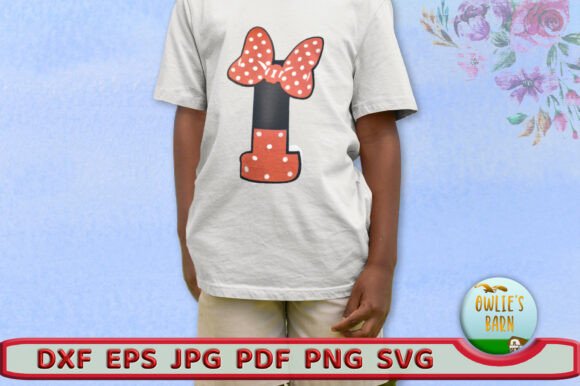
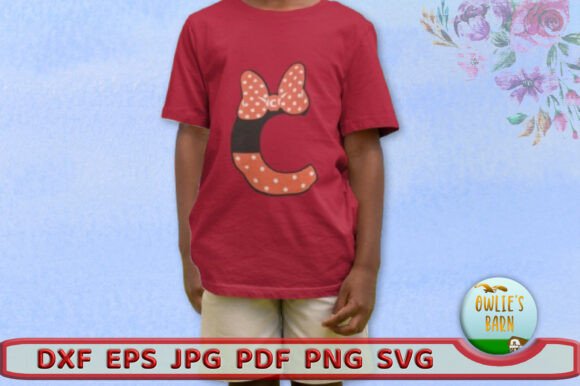
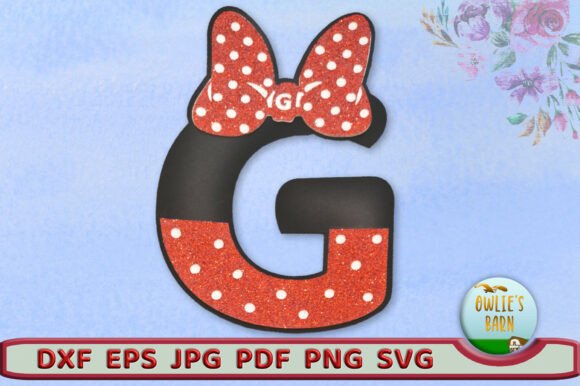
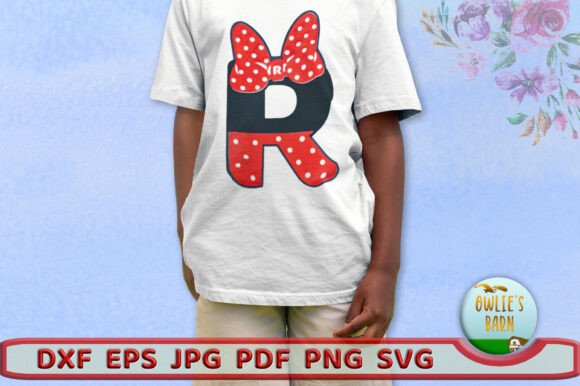
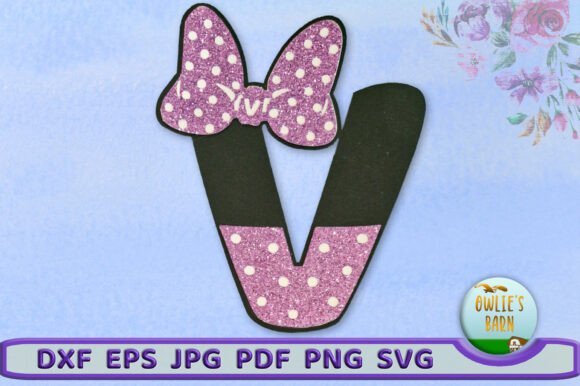
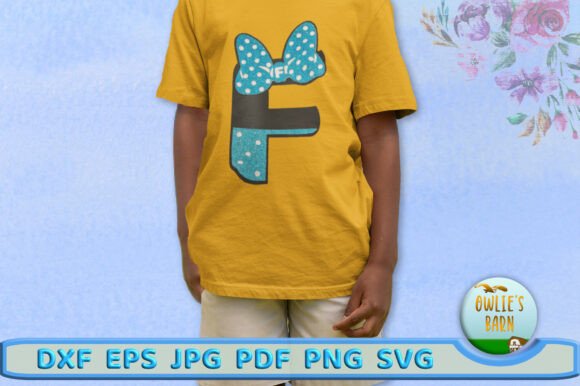
The first thing that strikes me about the Polka-dot Monogram Letter F is its playful yet structured aesthetic. The inclusion of polka dots immediately softens the rigid geometry of the letter, making it feel approachable and whimsical. This is not a stark, corporate monogram; it is a design that whispers "celebration." The layered construction, topped with a cute bow, adds depth without necessarily requiring complex 3D foam techniques, although the description notes it is suitable for 3D SVG workflows if you are cutting rather than stitching.
For those of us in the craft business, visual appeal is everything. This design has a strong silhouette. Even from a distance, the shape of the "F" is recognizable, which is crucial for personalized items. The mood it creates is lighthearted and sweet, making it an obvious candidate for Birthdays, baby showers, or any project requiring a touch of feminine flair. However, do not let the cuteness fool you. A design this bold requires careful handling to ensure it looks professional rather than childish, depending on your target market.
Real-World Application: The Tote Bag Test
To truly evaluate a design, you must imagine it on a finished product. I envisioned using the Polka-dot Monogram Letter F on a heavy canvas tote bag. This is a popular item for Etsy sellers and boutique owners. The approximate height of 30cm is quite large, which works in favor of a tote bag. It allows the design to breathe. When scaling a monogram this size, you need to worry about stitch density. If the fill areas are too dense, the fabric will pucker, ruining the clean lines of the polka dots.
In this scenario, the layered aspect of the design is a benefit. By breaking the letter into segments, you reduce the amount of continuous stitching in one area, which helps maintain fabric stability. I would recommend using a cut-away stabilizer for a project like this, especially if the tote will be washed frequently. The result would be a sturdy, eye-catching handmade product that feels substantial and high-value. Customers love seeing their initials in such a prominent, decorative style, and this design delivers that "custom apparel" feel even on accessories.
Versatility Across Different Products
Beyond tote bags, where else does this design shine? I see great potential in sweatshirt embroidery. A large monogram on the back of a crewneck sweatshirt is a trending style. The polka-dot pattern adds texture that breaks up the solid color of the garment. However, you must be mindful of the fabric texture. Fleece and terry cloth can swallow small details. Since this design is approximately 30cm high, the details should remain visible, but I would advise testing the thread colors carefully. High contrast is key here. A white thread on a navy sweatshirt will make the polka dots pop, whereas low-contrast combinations might muddy the design.
For baby embroidery, such as on a blanket or nursery decor, the softness of the bow element is a major selling point. Parents gravitate towards designs that feel gentle and personalized. This monogram could easily become the centerpiece of a personalized gift. Just ensure that the backing is soft and non-irritating, as baby skin is sensitive. The design’s suitability for hand or machine cutting also opens doors for paper crafters who might want to create matching birthday banners, expanding your product line beyond textiles.
Technical Considerations and Potential Pitfalls
While the design is charming, there are areas where caution is necessary. The description mentions it is a digital product suitable for cutting, but as embroiderers, we must consider stitch types. If this file converts polka dots into individual satins stitch circles, the stitch count could skyrocket. High stitch counts increase production time and thread usage, which eats into your profit margin as a small shop product creator. Always check the stitch count before committing to a large batch order.
Another concern is the hoop size. A 30cm design is massive. Not all home embroidery machines can handle this in a single hoop. You may need to use a split-hoop technique or a large-format commercial machine. If you are splitting the design, alignment becomes critical. Misaligned layers will ruin the polished look of the embroidered patch effect. Additionally, avoid placing this design on highly stretchy fabrics like thin jersey without aggressive stabilization. The weight of the embroidery could cause the garment to sag or distort over time.
Dark fabrics present another challenge. If you are stitching light-colored threads on black fabric, you need a proper underlay to prevent the background from showing through the polka dots. This is where a test run on scrap fabric is non-negotiable. Do not skip this step. A failed test on scrap is cheap; a ruined client garment is expensive.
Commercial Value and Brand Consistency
From a business perspective, the Polka-dot Monogram Letter F offers good value if used correctly. It fits well within a brand identity that is playful, youthful, and feminine. For commercial embroidery projects, consistency is key. If you are creating a line of birthday gifts, this design can serve as a staple asset. It is distinct enough to be recognizable but simple enough to be produced efficiently.
When listing this on platforms like Etsy, use clear printable mockup images that show the design on various backgrounds. Show it on a pink onesie, a denim jacket, and a canvas bag. This helps buyers visualize the finished product and increases buyer engagement. Remember, you are selling the dream of a personalized item, not just a string of code. The quality of your presentation reflects the perceived quality of the design.
Final Designer Notes
Before you purchase or use this design assets package, verify the license terms. Ensure it covers commercial use if you plan to sell finished items. Check if the file format is compatible with your specific machine software. While the description says it is suitable for hand or machine cutting, confirm if it includes native embroidery formats like PES, DST, or JEF, or if it is strictly an SVG for cutting machines. This distinction is vital for your workflow.
- Test first: Always stitch out on similar fabric to your final product.
- Check contrast: Ensure thread colors stand out against the fabric background.
- Stabilize properly: Use cut-away stabilizer for stretchy or heavy items.
- Verify size: Confirm the 30cm height fits your intended hoop or garment area.
- Review license: Clarify commercial rights before selling finished goods.
In conclusion, the Polka-dot Monogram Letter F is a delightful addition to your library if you understand its scale and technical requirements. It is not a one-size-fits-all solution, but for the right project—like a statement tote or a birthday sweatshirt—it can elevate your embroidery project from standard to standout. Treat it with the respect a large-scale design deserves, and it will serve your craft business well.