Reviewing the Easter Bunny 3D Shadow Box SVG for Embroidery
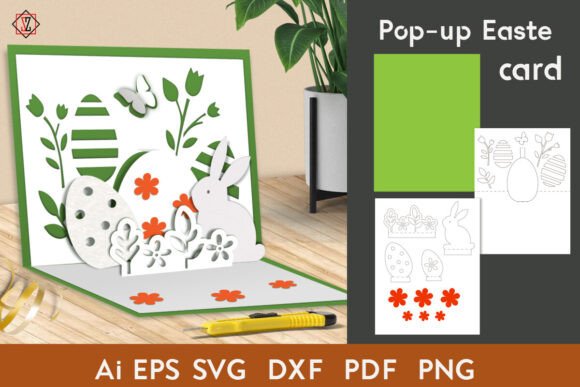
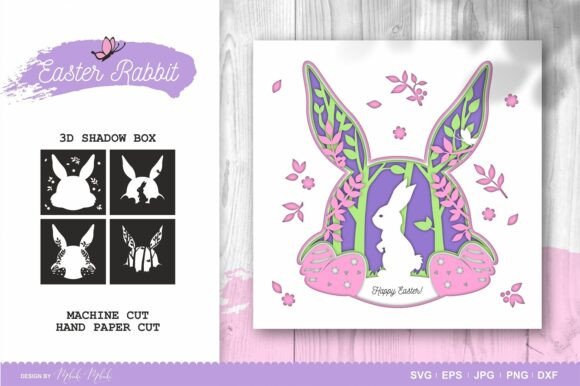
As a designer who spends more time staring at stitch simulations than most people care to admit, I approach new files with a mix of excitement and skepticism. When I first pulled up the Easter Bunny 3D Shadow Box - SVG, my initial reaction wasn't about how cute the bunny was, but rather how the geometry would translate from a paper-cut aesthetic to actual thread. This isn't just a flat graphic; it is a design built on depth, consisting of five distinct layers meant to create a shadow box effect. For us in the embroidery world, translating "layers" from vector paths to satin and fill stitches requires a keen eye for density and registration.
First Impressions: Mood and Visual Personality
The visual personality of this 3D SVG file is charmingly nostalgic. It captures that handmade, boutique feel that customers currently crave for spring decor and holiday gifts. The shape language is soft yet structured, relying on the interplay between the foreground bunny and the background elements to create dimension. In a digital mockup, the 23x23 cm (9.2x9.2 inches) footprint looks substantial. However, when you are planning a machine embroidery design, size is relative to the hoop. A nine-inch design is large for standard home machines, which immediately signals that this is best suited for statement pieces like tote bags, pillow covers, or wall art rather than small apparel logos.
The mood is celebratory without being overly childish. This makes it versatile. It fits perfectly into a modern farmhouse aesthetic or a pastel-themed nursery. As an Etsy seller or small shop owner, you want assets that feel premium, and the layered nature of this file suggests a higher level of craftsmanship than a simple outline.
Real-World Application: The Custom Tote Scenario
Let's walk through a realistic scenario. Imagine a client orders a custom embroidered tote bag for an Easter basket gift. They want something that stands out but doesn't look like a mass-produced iron-on. This is where the Easter Bunny 3D Shadow Box - SVG shines. Because the design relies on layering, it naturally lends itself to an applique design approach or a multi-color fill strategy.
If I were stitching this on a canvas tote, I would treat the five layers as separate color stops. The background layer could be a light pastel fill stitch, while the bunny itself might utilize a dense satin stitch border to define the edges against the deeper layers. The result is a finished product that has tangible texture. Customers love running their fingers over embroidery that feels constructed rather than just printed. For a craft business, this tactile quality increases perceived value, allowing you to price the item higher than a standard single-layer design.
Alternatively, consider a sweatshirt embroidery project. While the full 9.2-inch size might be too large for the chest of a child's hoodie, scaling it down requires caution. If you reduce it too much, the gaps between the "shadow" layers might disappear, turning a 3D effect into a muddy blob of thread. For apparel, I would recommend using this on the back of a jacket or on a large pocket of a denim shirt where the hoop size accommodates the detail.
Technical Considerations and Fabric Challenges
Working with complex Shapes and layered vectors brings specific technical challenges. The primary concern with the Easter Bunny 3D Shadow Box - SVG is stitch density. Five layers of imagery stacked in one area can create a heavy buildup of thread. On thin fabrics like a lightweight t-shirt or a silky blouse, this weight can cause puckering or distortion.
You must be strategic with your stabilizer. For a project of this magnitude, a cut-away stabilizer is likely non-negotiable, especially if the end user intends to wash the item frequently. Tear-away stabilizers might not provide enough support for the dense sections, leading to shifting during the stitch-out. Furthermore, if you are attempting this on a textured fabric like a waffle knit towel or a rough linen, the fine details of the inner layers might get lost in the fabric's weave. Smooth, tightly woven cottons or canvas materials are the safest bet for preserving the clarity of the shadow effect.
Another critical factor is the hoop size. Since the design is roughly 9x9 inches, it will not fit in a standard 4x4 or 5x7 hoop. You will need a machine capable of handling larger fields or be prepared to split the design, though splitting a shadow box design is ill-advised as it ruins the seamless depth effect. Always check your machine's maximum embroidery area before purchasing or committing to a client order.
Enhancing Brand Value and Customer Trust
In the competitive landscape of commercial embroidery, consistency is key. Using high-quality design assets like this helps maintain a professional brand image. When a customer receives a personalized gift featuring crisp, well-defined layers, it builds trust. They see that attention was paid to the details. Conversely, if the layers bleed together due to poor digitizing or incorrect thread choices, it reflects poorly on the maker.
To maximize the visual appeal, pay close attention to thread colors. The success of a shadow box design relies on contrast. If the layers are too similar in shade, the 3D illusion fails. I recommend testing the design in black and white mockups first to ensure the tonal values are distinct enough to read clearly from a distance. This is particularly important for holiday embroidery displays in retail settings where items are viewed from across a room.
Practical Notes for the Professional Maker
Before launching this into production, here are a few essential steps to take:
- Test on Scrap Fabric: Never run a complex, multi-layer design on your final garment first. Stitch it out on a scrap piece of the same material to check for registration issues.
- Check Licensing: Since this is a digital product for instant download, verify the license terms. Ensure you are permitted to use the Easter Bunny 3D Shadow Box - SVG for commercial sales if you plan to sell finished goods or digital derivatives.
- Inspect Small Details: Zoom in on the vector file. Look for tiny islands or disconnected paths that might cause thread breaks or excessive trimming.
- Consider the End Use: If this is for a baby embroidery project, ensure there are no loose loops or dense areas that could irritate sensitive skin. Soft threads and appropriate backing are crucial.
- Verify File Compatibility: The description mentions "Vecto," implying vector formats. Ensure you have the software to convert or view these files if your embroidery machine requires specific formats like PES, DST, or EXP.
Ultimately, the Easter Bunny 3D Shadow Box - SVG is a robust tool for creators looking to elevate their spring collections. It moves beyond simple decoration into the realm of constructed art. Whether you are creating a tote bag design for a boutique or a centerpiece for a home, the potential is there. However, like any powerful tool, it demands respect for the materials and the process. By understanding the limitations of fabric and the requirements of density, you can turn this digital file into a physical masterpiece that delights customers and strengthens your reputation as a skilled artisan.