Reviewing the Christmas Candy Land Advent Calendar Design
As a designer who has spent countless hours digitizing and testing machine embroidery design files, I approach every new asset with a mix of curiosity and skepticism. We have all been there: downloading a file that looks stunning in the preview thumbnail but turns into a tangled mess of thread breaks and puckering on the hoop. Today, I am taking a close look at the Christmas Candy Land Advent Calendar, a festive 3D SVG inspired concept adapted for embroidery use. This is not just about whether it looks cute; it is about whether it holds up under the needle when you are trying to run a profitable craft business or create a memorable personalized gift.
First Impressions and Visual Mood
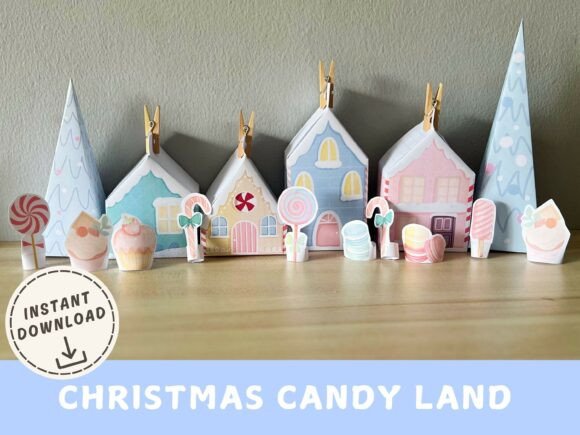
The moment I loaded the Christmas Candy Land Advent Calendar into my editing software, the whimsical nature of the design stood out. It captures that specific, sugary nostalgia associated with holiday treats and childhood wonder. The layout suggests a series of small houses or structures adorned with candies, which aligns perfectly with the description of Christmas Houses with candies decor. For a designer, the immediate question is always about complexity. Does the visual charm translate into manageable stitch paths, or is it overly dense?
The mood here is playful and inviting. It feels less like a formal holiday decoration and more like an interactive element. This makes it ideal for projects aimed at families, particularly those involving Christmas Decoration Preschool Homeschool Activity themes. The visual personality is soft yet detailed, requiring a careful balance between satin stitch borders for definition and fill stitch areas for color coverage. If you are looking to add a touch of magic to a child’s room or a classroom setting, this design hits the right emotional note without being overly commercial or generic.
Real-World Application: The Tote Bag Test
To truly evaluate an embroidery file, you have to imagine it on a real product. I recently worked on a custom order for a local boutique needing unique holiday embroidery items. The client wanted something that could serve as both a decorative piece and a functional item for kids. I envisioned the Christmas Candy Land Advent Calendar stitched onto a heavy canvas tote bag design. This is a classic Christmas Indoor Activity for kids prop, where each day might involve revealing a small treat or activity associated with the embroidered sections.
On a sturdy fabric like canvas or denim, the design performs exceptionally well. The structural integrity of the bag supports the weight of the stitching, preventing the dreaded hoop burn or distortion. When stitched out, the candy elements pop against the neutral background, creating a high-contrast look that is visually appealing. For an Etsy seller, this translates to a high-perceived value item. It is not just a bag; it is an experience. Customers are increasingly looking for handmade product options that offer interactivity, and this design facilitates that engagement beautifully.
Navigating Fabric and Hoop Constraints
However, enthusiasm must be tempered with technical reality. Not every surface is suitable for this level of detail. If you are considering using this design on stretchy fabric like a thin jersey t-shirt, proceed with caution. The density required to render the candy details can cause significant puckering if not properly stabilized. I always recommend using a cut-away stabilizer for knit fabrics to ensure the finished product remains flat and professional after washing.
Another critical consideration is the hoop size. While the design is charming, its width and height need to be verified against your machine’s capabilities. If you are attempting to shrink this down for a baby embroidery project, such as a onesie or a small bib, you risk losing the clarity of the smaller candy details. Tiny elements can become indistinguishable blobs of thread if the stitch density is too high for the reduced scale. In such cases, I advise simplifying the design or choosing a larger garment, like a sweatshirt embroidery piece, where the design can breathe and retain its intricate charm.
Dark fabrics present another challenge. The vibrant colors typical of a candy land theme rely on light reflection. On black or navy fabric, you may need to adjust your thread colors to brighter, more neon shades to maintain visibility. Alternatively, consider using an applique design technique where fabric pieces are stitched down, providing solid color blocks that stand out better than thread alone on dark backgrounds.
Commercial Viability and Brand Consistency
For small shop product creators and digital embroidery file sellers, the commercial potential of the Christmas Candy Land Advent Calendar is strong. It fits seamlessly into the niche of educational and decorative holiday items. However, brand consistency is key. If your shop focuses on minimalist, modern aesthetics, this whimsical design might feel out of place. But for brands that celebrate color, play, and family traditions, it is a perfect fit.
When creating printable mockup images for your online listings, ensure that the digital representation matches the physical reality. Use high-quality photos of the actual stitched item to build customer trust. Show the texture of the fabric texture and the sheen of the threads. This transparency helps buyers understand what they are purchasing, reducing return rates and increasing satisfaction. Whether you are selling the physical embroidered patch or the digital file itself, clarity in presentation is paramount.
Practical Designer Notes for Best Results
Before you commit to a full production run or a client project, follow these practical steps to ensure success with the Christmas Candy Land Advent Calendar:
- Test on Scrap Fabric: Always stitch a test sample on the same type of fabric you intend to use for the final product. This allows you to check for tension issues and color blending.
- Check Thread Contrast: Ensure your chosen thread colors provide enough contrast between adjacent elements. Poor contrast can make the design look muddy from a distance.
- Review Stitch Density: Inspect the file in your software. If certain areas look overly dense, consider adjusting the underlay or reducing the fill density to prevent stiffness.
- Confirm Hoop Size: Verify that the design dimensions fit comfortably within your hoop, leaving enough margin for stable hooping.
- Inspect Small Details: Zoom in on the tiniest candy elements. If they are too small for your needle size, you may need to simplify or enlarge the design.
- Test Black and White Mockups: Convert your preview to grayscale to check for value contrast. If the design disappears in black and white, it may lack definition in low-light settings.
- Use Proper Stabilizer: Match your stabilizer to your fabric. Woven fabrics may need tear-away, while knits require cut-away for lasting durability.
- Verify Licensing: Before selling any commercial embroidery items, confirm the license terms of the design assets. Ensure you have the right to sell finished products made with this file.
Final Thoughts on Project Fit
The Christmas Candy Land Advent Calendar is a delightful addition to any designer’s library, provided it is used with intention and technical care. It shines brightest on sturdy, light-colored fabrics where its playful details can be fully appreciated. Whether you are creating a custom apparel piece for a family photo, a decorative pillow for holiday hosting, or a unique item for your Etsy seller storefront, this design offers a blend of charm and functionality. By respecting the limitations of your materials and machine, you can transform this digital file into a tangible, cherished keepsake that captures the sweet spirit of the season.