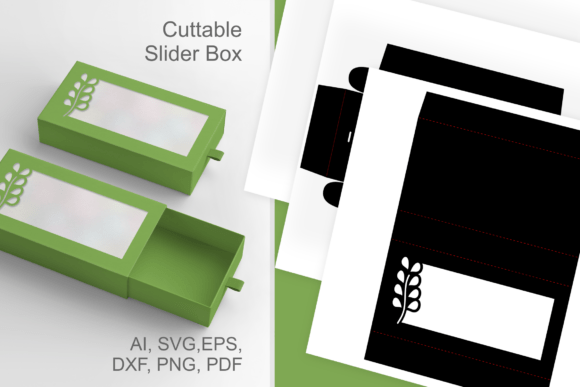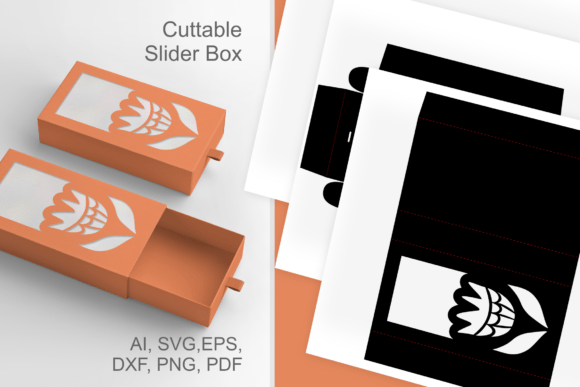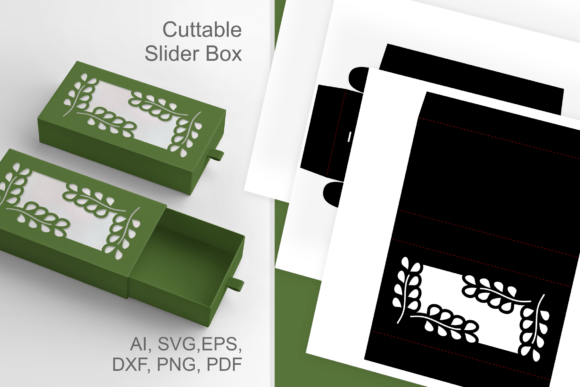
Review: Double Herb Corner Wide Window Favor Box
As a designer who spends more time staring at stitch maps than actual fabric, I have learned to be skeptical of decorative elements that look pretty on screen but fail under the needle. When I first pulled up the Double Herb Corner Wide Window Favor Box, my initial reaction was one of cautious curiosity. The name suggests a paper craft origin, specifically noting it as a template for a sliding drawer box, yet we are evaluating its potential in the realm of textile art. This juxtaposition is interesting. It forces us to think beyond traditional embroidery motifs and consider how structural, architectural lines translate into thread.
The design falls squarely into the Fall category, which immediately sets a mood. We are talking about warmth, harvest tones, and a certain rustic elegance. But does it work for embroidery? Let’s break down the practical application of this 3D SVG concept when adapted for stitched projects, keeping in mind the needs of Etsy sellers, boutique owners, and serious hobbyists.
First Impressions: Mood and Visual Personality
The "Double Herb" motif implies organic, leafy details, while the "Wide Window" suggests negative space or a framed composition. In embroidery, negative space is tricky. It requires precise digitizing to ensure the surrounding stitches do not pull the fabric unevenly. The visual personality here is refined rather than loud. It feels like something you would find in a high-end botanical journal or a artisanal apothecary.
For an embroidery designer, this layout offers a balanced challenge. The corner placement is strategic. It allows the design to sit unobtrusively on a hem, a cuff, or the corner of a tote bag without dominating the entire garment. This subtlety is often what separates a amateur-looking handmade product from a professional finished product. The herb elements likely require a mix of satin stitch for stems and fill stitch for leaves, demanding attention to stitch density to prevent puckering on lighter fabrics.
Real-World Application: From Screen to Stitch
Let’s imagine a real scenario. You are preparing a custom order for a local boutique that specializes in natural linen goods. They want a line of kitchen towels that feel elevated but not overly formal. The Double Herb Corner Wide Window Favor Box design, with its corner-focused layout, is perfect for this. Instead of centering a large, heavy motif, you place this delicate herb arrangement in the bottom right corner of a hemmed linen towel.
Why does this work? Because it respects the fabric. Linen has a distinct texture, and a heavy, dense embroidery can distort it. By using a design that likely incorporates open spaces (the "window" aspect), you allow the fabric to breathe. The result is a personalized gift that feels thoughtful and bespoke. Customers reacting to this would likely appreciate the restraint. It signals quality. It says, "I didn’t just slap a logo on this; I considered the composition."
Beyond linens, consider sweatshirt embroidery. A crewneck sweatshirt in a deep olive or burnt orange—classic Fall colors—could feature this design on the lower left hip area. It acts as a subtle brand mark or a decorative accent that doesn’t scream for attention but rewards closer inspection. For Etsy sellers, this kind of understated design is gold. It appeals to buyers looking for minimalist aesthetics rather than maximalist clutter.
Technical Considerations and Fabric Compatibility
While the aesthetic is strong, we must address the technical realities. Since the source material mentions a paper cut template, we must assume the digital file may need significant adaptation for embroidery. If you are working with a digital embroidery file derived from this concept, you must check the hoop size compatibility. Corner designs often require specific positioning within the hoop to avoid hitting the frame edges, especially on smaller machines.
Fabric texture plays a massive role here. On textured fabrics like waffle knit or heavy canvas, fine details in herb leaves can get lost. If the design includes tiny lettering or intricate vein details in the leaves, you might need to simplify the stitch path. On stretchy fabrics, such as those used for baby embroidery or athletic wear, stability is key. You must use a proper stabilizer—likely a cut-away for garments that will be washed frequently—to prevent the design from warping over time.
Dark fabrics present another challenge. If the thread colors are not chosen with high contrast in mind, the detail will vanish. For a Fall-themed project, think about using variegated threads in earth tones to add depth to the herb leaves. However, always test on scrap fabric first. What looks crisp in a printable mockup can look muddy in real life if the tension is off or the thread sheen clashes with the fabric matte finish.
Commercial Viability and Brand Consistency
For craft business owners, consistency is vital. Using a design like the Double Herb Corner Wide Window Favor Box across a product line creates a cohesive brand identity. Imagine offering this same motif on a tote bag design, a matching apron, and a set of cloth napkins. This cross-product consistency builds trust. Buyers recognize the style, even if they don’t know the specific name of the design.
However, caution is needed regarding licensing. The product description mentions it is a paper cut template. If you are adapting this into an applique design or a standard machine embroidery pattern, you must confirm whether the original creator allows for derivative works in textile formats. Never assume a 3D SVG intended for paper crafting is free for commercial embroidery use. Always verify the license terms before selling commercial embroidery items or design assets.
Practical Designer Notes for Execution
To ensure success with this design, follow these practical steps:
- Test on Scrap Fabric: Always run a test stitch-out on the exact fabric weight you plan to use. Check for puckering or thread breaks.
- Check Thread Contrast: Use black and white mockups to see if the design holds its shape without color. If the details disappear in grayscale, they will likely get lost in low-light settings.
- Review Stitch Density: Ensure the fill areas are not too dense for lightweight fabrics. Adjust underlay stitches to provide better support.
- Confirm Hoop Size: Make sure the corner placement fits within your machine’s maximum hoop dimensions without requiring re-hooping mid-design.
- Inspect Small Details: Zoom in on the herb leaves. Are the tips too fine? They may need to be thickened slightly to survive repeated washing.
- Compare Backgrounds: Test the design on both light and dark fabrics to determine the most versatile thread palette.
In conclusion, the Double Herb Corner Wide Window Favor Box offers a sophisticated aesthetic that translates well to embroidery if handled with technical care. It is not just a decorative element; it is a branding tool. For the small shop product line, it offers the elegance needed to justify higher price points. For the hobbyist, it provides a rewarding challenge in precision stitching. Just remember: the beauty is in the execution. Take the time to refine the digitizing, choose your materials wisely, and let the natural elegance of the herb motif shine through the thread.