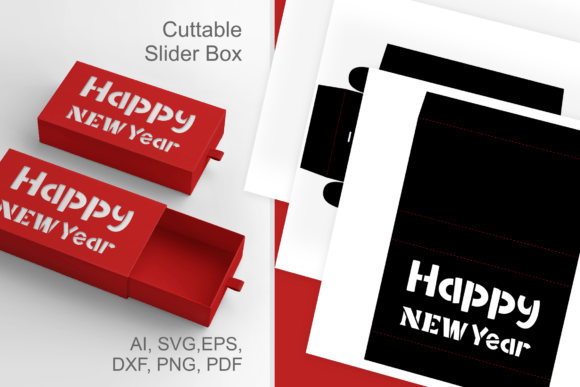
Happy New Year Cutout: A Designer's Review
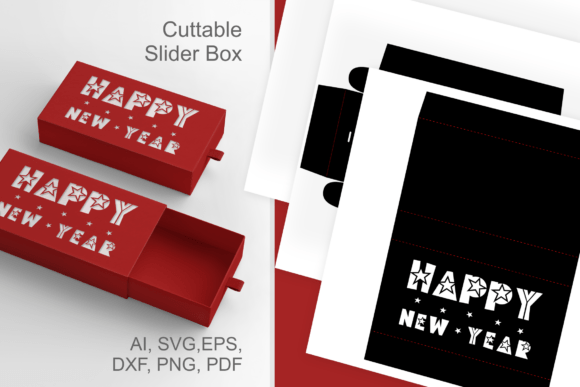
As a designer who spends more time staring at stitch simulations than most people care to admit, I approach every new machine embroidery design with a mix of optimism and skepticism. When I first pulled up the Happy New Year Cutout - Slive Drawer Box, my initial reaction was one of curiosity. The title suggests a paper craft origin, specifically a 2-part sliding drawer favor box, which is a popular trend in the Winter season gift market. However, translating a paper cut template into a functional embroidery file for textiles requires a different eye. This isn't just about aesthetics; it's about structural integrity, stitch density, and how the design behaves when subjected to the pull of thread on fabric.
First Impressions and Visual Personality
The visual personality of this design leans heavily into the celebratory yet elegant side of the holidays. Unlike the overly cartoonish or cluttered New Year graphics that flood the market every December, this cutout style offers a cleaner, more sophisticated look. The "cutout" aesthetic implies negative space and sharp lines, which can be tricky in embroidery. In a paper context, a cutout is simply removed material. In embroidery, we have to simulate that look using running stitch outlines or careful fill stitch management to ensure the background fabric shows through correctly without the design losing its shape.
The layout feels balanced, likely intended to serve as a focal point rather than an all-over print. For a handmade product creator, this versatility is gold. It doesn't scream "novelty item" in a cheap way; instead, it suggests a boutique feel. If you are aiming to create high-end custom apparel or personalized gifts, the mood here is right. It feels festive but restrained, making it suitable for adult recipients as well as children.
Real-World Application: The Holiday Tote Scenario
To truly evaluate the Happy New Year Cutout - Slive Drawer Box, I imagined a specific real-life scenario: preparing a run of limited-edition tote bags for a local boutique's New Year's Eve party favors. The goal was to create a finished product that guests would actually keep and use, not discard after midnight.
In this context, the design shines as a central motif on a canvas or heavy cotton tote. Because the design mimics a paper cutout, it pairs beautifully with a solid background color. I envisioned stitching this in metallic gold or silver thread against a deep navy or black fabric. The contrast would mimic the look of foil stamping on paper, bridging the gap between the original 3D SVG concept and textile application. For a Etsy seller or small shop owner, this kind of cross-medium inspiration is what elevates a listing from generic to premium.
However, if you are considering this for sweatshirt embroidery, you need to be mindful of the fabric texture. A fuzzy fleece might obscure the finer details of the "cutout" edges. In that case, using an applique design technique—where you stitch a piece of satin fabric down and then apply the design over it—could enhance the crispness of the lines and make the text pop more effectively than direct stitching on textured material.
Technical Considerations for Embroiderers
While the aesthetic appeal is strong, the technical execution requires attention. Since the source material is described as a paper cut template, the digital file may feature very sharp corners and thin connecting lines. In embroidery, sharp corners can lead to thread bunching or bird-nesting if the machine doesn't slow down appropriately. Before committing to a production run, it is crucial to test the design on scrap fabric similar to your final material.
One area of caution is the stitch density. If the design relies on dense fills to simulate the solid parts of the paper box, it could become stiff, especially on lighter fabrics like t-shirts or baby clothes. For baby embroidery projects, comfort is paramount. You might need to adjust the density settings in your editing software or choose a lighter weight stabilizer to ensure the back of the design doesn't feel scratchy against sensitive skin.
Additionally, consider the hoop size required. While the description doesn't specify exact dimensions, sliding drawer boxes often have a horizontal orientation. Ensure your machine's hoop can accommodate the width of the design without needing to re-hoop, which can lead to alignment issues. If you are working on curved surfaces like caps or hats, this design might be challenging due to the potential distortion of straight lines and text. It is best suited for flat surfaces like pillow covers, tea towels, or the front panel of a tote bag.
Fabric and Thread Choices
- Dark Fabric: Use light-colored or metallic threads to maximize the "cutout" illusion. Ensure your underlay stitches are sufficient to prevent the dark fabric from peeking through the fill areas unintentionally.
- Stretchy Fabric: If applying this to a stretchy knit for a tote bag design or apparel, use a cut-away stabilizer. The tension of the design could cause the fabric to pucker over time if only a tear-away stabilizer is used.
- Thread Colors: Stick to a limited palette. Two or three colors maximum will maintain the clean, graphic look of the original paper concept. Too many color changes can disrupt the visual flow.
Commercial Viability and Brand Consistency
For commercial embroidery professionals and creative entrepreneurs, the value of a design lies in its ability to sell. The Happy New Year Cutout - Slive Drawer Box has strong potential for holiday embroidery collections. It fits well within a broader winter theme without being tied to a specific year, meaning you can potentially use variations of it for multiple seasons if the date isn't explicitly hardcoded into the graphic (which should be verified in the file preview).
Using this design in your printable mockup previews can significantly boost buyer engagement. The unique "sliding box" narrative gives you a story to tell in your product descriptions. You aren't just selling an embroidered towel; you are selling a piece of interactive art inspired by intricate paper engineering. This storytelling aspect builds customer trust and perceived value, allowing you to price your small shop product higher than standard commodity items.
However, always verify the licensing terms. Just because a file is available for purchase doesn't automatically grant rights for unlimited commercial use or resale as a digital embroidery file. If you plan to sell the stitched items on Etsy or at craft fairs, confirm that the license covers finished goods. If you intend to modify the file and resell it as a design asset, you will almost certainly need an extended license.
Final Verdict for Makers
The Happy New Year Cutout - Slive Drawer Box is a compelling option for designers looking to add a touch of architectural elegance to their holiday lineup. It moves away from the standard confetti and champagne glass tropes, offering something that feels more curated. Whether you are creating a personalized gift for a friend, an embroidered patch for a jacket, or a line of boutique home decor, this design holds up well under scrutiny.
My advice is to treat it as a premium element. Don't rush the setup. Take the time to select the right stabilizer, test your thread tension, and perhaps even experiment with combining it with other techniques like appliqué to honor its paper-craft roots. With careful execution, this design can be the standout piece in your Winter collection, proving that thoughtful design translates beautifully from paper to thread.